
Matthew 2:13-23
 13 After the wise men were gone, an angel of the Lord appeared to Joseph in a dream. “Get up! Flee to Egypt with the child and his mother,” the angel said. “Stay there until I tell you to return, because Herod is going to search for the child to kill him.”
14 That night Joseph left for Egypt with the child and Mary, his mother, 15 and they stayed there until Herod’s death. This fulfilled what the Lord had spoken through the prophet: “I called my Son out of Egypt.”
16 Herod was furious when he realized that the wise men had outwitted him. He sent soldiers to kill all the boys in and around Bethlehem who were two years old and under, based on the wise men’s report of the star’s first appearance.17 Herod’s brutal action fulfilled what God had spoken through the prophet Jeremiah: 18 “A cry was heard in Ramah — weeping and great mourning. Rachel weeps for her children, refusing to be comforted, for they are dead.”
19 When Herod died, an angel of the Lord appeared in a dream to Joseph in Egypt. 20 “Get up!” the angel said. “Take the child and his mother back to the land of Israel, because those who were trying to kill the child are dead.”
21 So Joseph got up and returned to the land of Israel with Jesus and his mother. 22 But when he learned that the new ruler of Judea was Herod’s son Archelaus, he was afraid to go there. Then, after being warned in a dream, he left for the region of Galilee. 23 So the family went and lived in a town called Nazareth. This fulfilled what the prophets had said: “He will be called a Nazarene.”
Comments
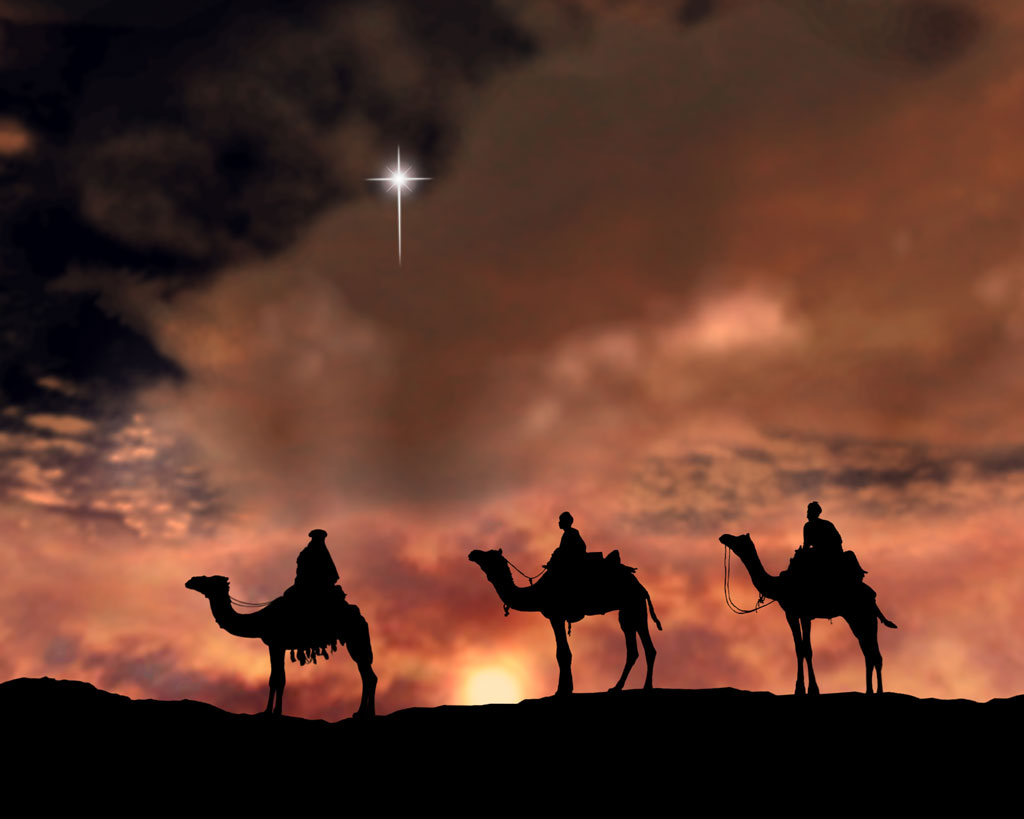
Ramah was the location of Rachel’s tomb and the gathering/processing place for those going into exile and returning from exile. The place was traditionally associated with great sadness and that tradition was added to by Herod’s heinous actions. This passage stands in contrast to yesterday. The Magi were moving toward Jesus to worship and give gifts. Herod and his enablers were moving in the other direction to cause suffering. Both movements are social.
Faith is social. Sin is social. The move toward Jesus is also a move toward others — including sharing in their grief, bearing each other’s burdens, weeping with them when they weep. The move away leads to suffering. Wherever God is resisted, humanity is attacked. If like Herod, we only listen to the Word in order to find ways of resisting it, then it is not only we who will be hurt but innocents around us as well; for sin, like righteousness, is social.
The Magi showed us the deepest human desire: for a savior and for community. Herod showed us the second deepest human desire: to kill the savior and reject community. We all always have both the desire toward Jesus — which becomes the desire to live and die for, and the desire away, which becomes the desire to kill. The world wants to kill its savior. This desire still lurks in our own hearts. And Rachel still weeps for those who suffer as a result.
New Living Translation (NLT)
Holy Bible. New Living Translation copyright© 1996, 2004, 2007 by Tyndale House Foundation. Used by permission of Tyndale House Publishers Inc., Carol Stream, Illinois 60188. All rights reserved.


You must be logged in to post a comment.